











NASA launches Every Rocket with Half a Million Gallons of Water

Every time NASA launches a rocket, it releases nearly half a million gallons of water in seconds. But it’s not to cool engines, it’s to protect the rocket from sound.
Rocket engines can reach over 180 decibels, loud enough to shatter concrete or damage the rocket itself. NASA’s Sound Suppression Water System floods the launch area to absorb that extreme energy, reducing vibrations and heat by instantly turning the water into steam.
This massive water surge prevents destructive acoustic waves from bouncing back toward the rocket, ensuring each launch remains stable, safe, and successful. Read more from here...
This is What a Nuclear Reactor Sounds like when it’s Powered ON
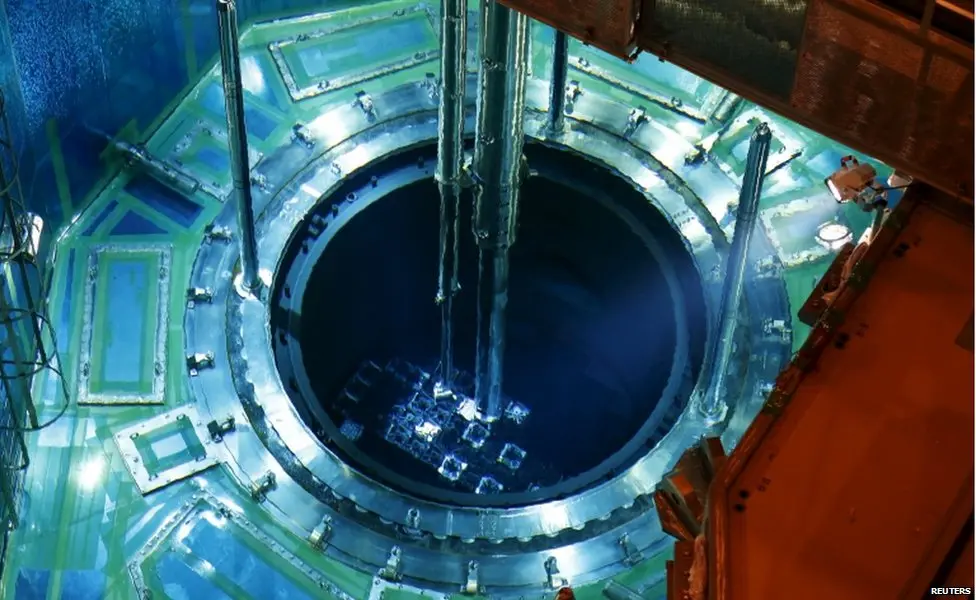
When a nuclear reactor first powers on, it glows with an otherworldly blue light, one of the rarest sights on Earth.
That glow is called Cherenkov radiation, a phenomenon that occurs when charged particles travel through water faster than light can move in that same medium. It’s not the light of fire, but of pure energy breaking a physical boundary.
First discovered in 1934 by Russian physicist Pavel Cherenkov, the effect was later explained by Ilya Frank and Igor Tamm, earning all three the 1958 Nobel Prize in Physics.
It’s one of science’s most mesmerizing demonstrations of what happens when humans tap into the atomic fabric of the universe. Read more from here...
Black Hole – version 4

What happened to life?
Everything in my heart still remains-
only now it has curdled, bitter and gray.
I lost everything
I never truly held.
If no light escapes my room, Read more from here...
Nasa unveils what’s its like to Fall into a Black hole
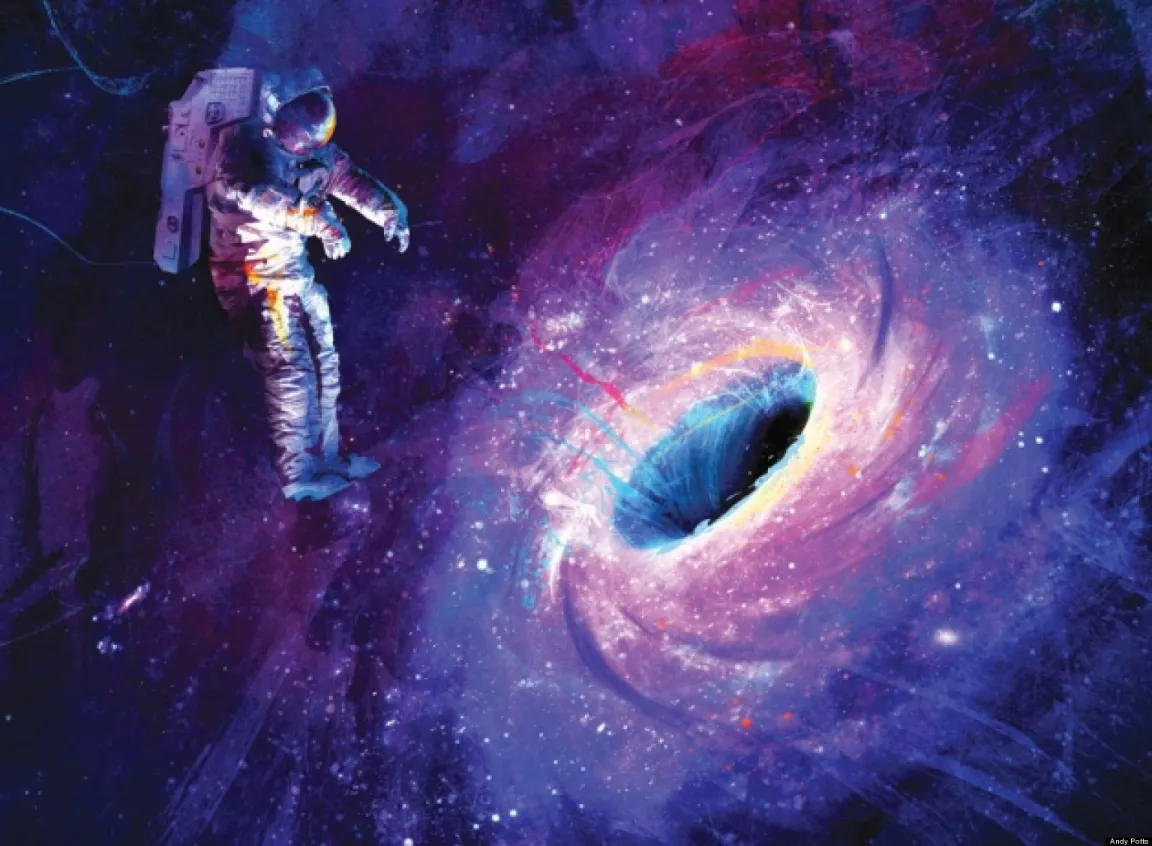
If you pass the event horizon of a black hole, you can no longer escape, as nothing, not even light, can overcome the gravitational pull. From your perspective, you’d continue falling inward, but the outside universe would fade away as time and space warp around you. Ultimately, you’d approach the singularity, where the laws of physics as we know them break down. Read more from here...
NASA says – This is how a Black Hole Sounds Like
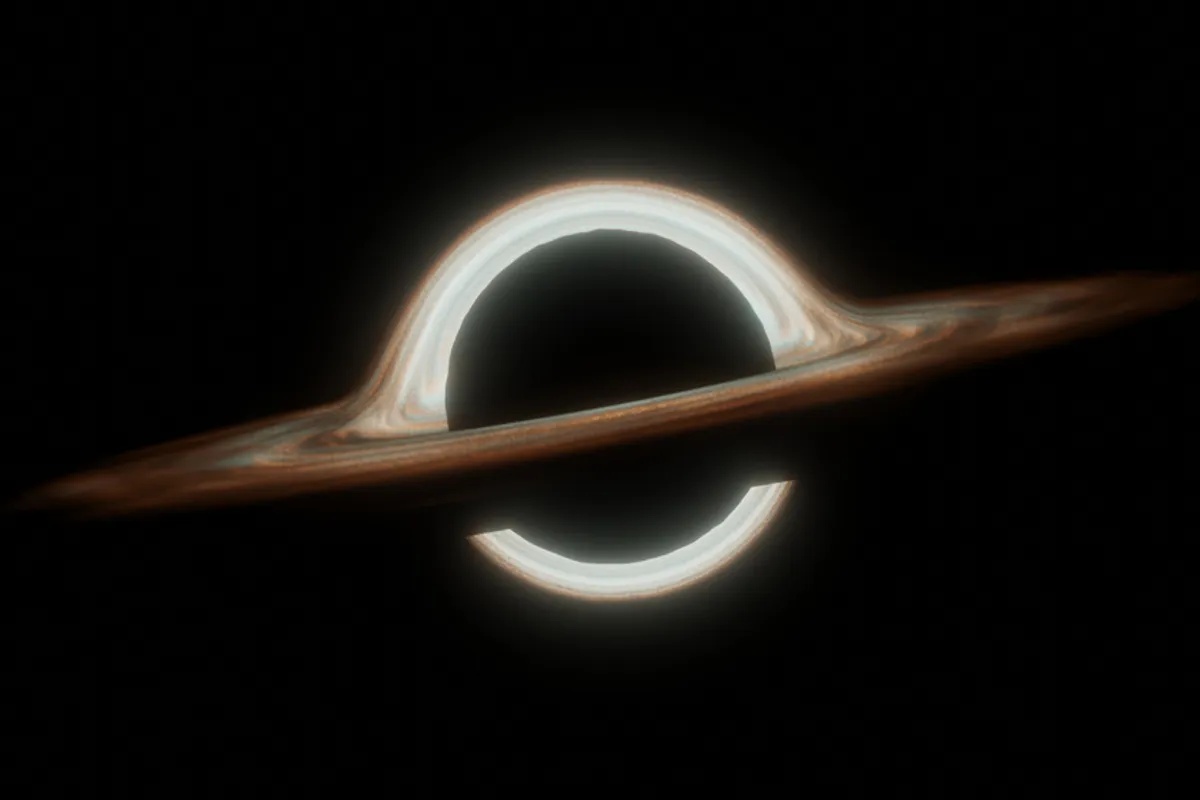
A black hole is an astronomical region of spacetime where gravity is so intense that nothing, not even light, can escape. This extreme gravity is the result of a large amount of matter being squeezed into an incredibly small space. Key Characteristics Gravity: The gravitational pull is so strong because matter is concentrated in a tiny region. Event Horizon: This is the boundary around the black hole. Anything that crosses this "point of no return" cannot escape. It is not a physical surface, but a theoretical boundary. Singularity: At the center of a black hole is a singularity, a point of infinite density and zero volume where all the mass is concentrated.
Invisibility: Because black holes absorb all light, they cannot be observed directly. Astronomers detect them by observing their effects on nearby matter, such as the swirling accretion disk of hot gas around them or the movement of nearby stars. Read more from here...