 ABOUT THE POEM:
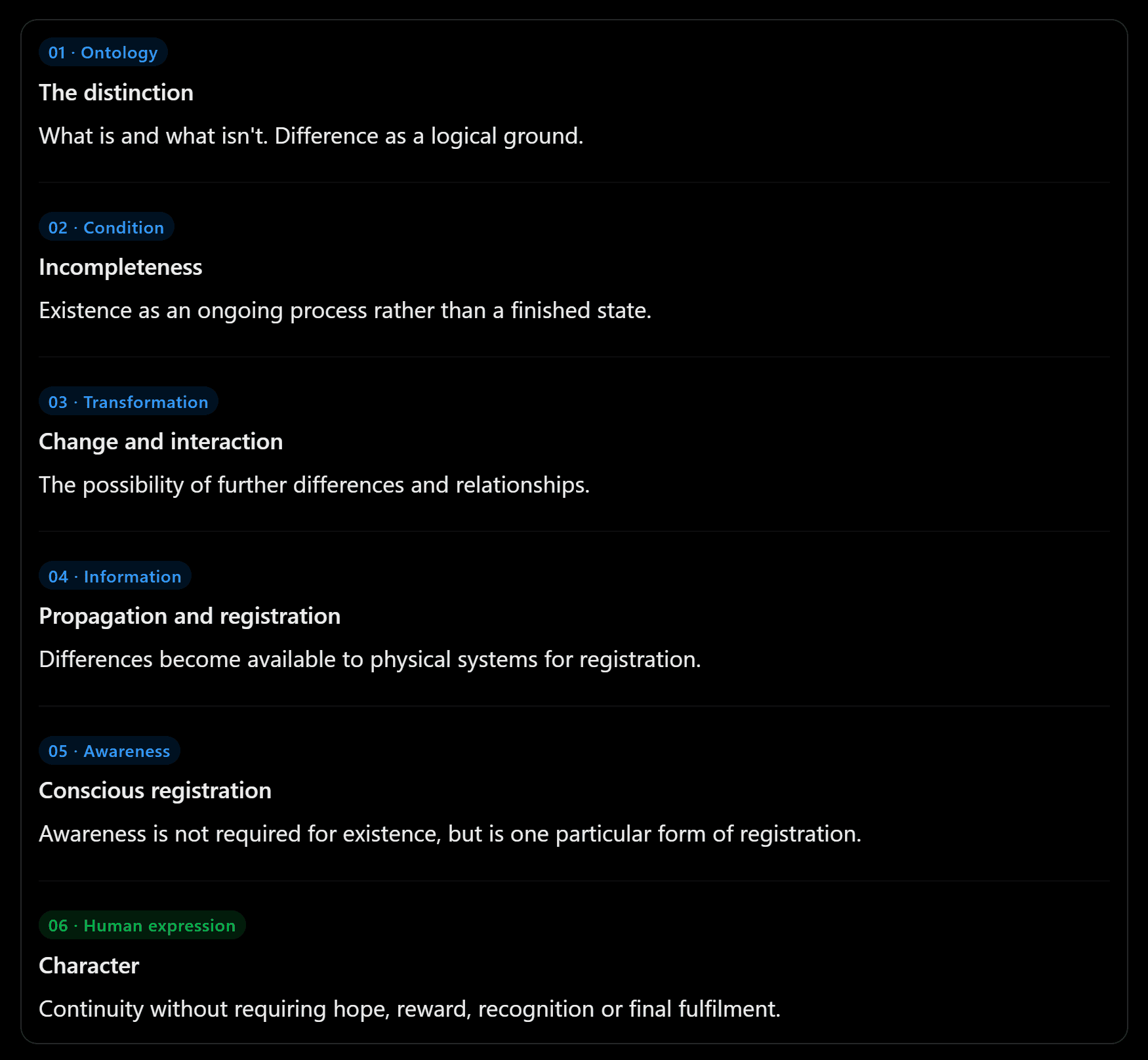
The First Difference examines the possibility that existence does not require an observer, an intention, or a predetermined destination to begin or continue. It approaches the origin of the universe through a philosophical interpretation of incompleteness, difference, interaction, information, and continuity. The central proposition is that a 100% complete and entirely unchanging system cannot constitute an ongoing existence. Existence, when understood as an ongoing process involving experience, knowing, witnessing, action, propagation, and registration, necessarily involves change. A completely stagnant condition may remain conceptually describable, but it cannot qualify as an ongoing process under this definition. The investigation begins with a hypothetical condition outside the universe: an incomplete state surrounded by an empty exterior. The question is what could initiate a process if there were no external observer, no established physical environment, and no existing process. Rather than introducing a conscious creator or an external intention, the argument proposes that difference may already exist in the distinction between what is and what isn't. This distinction is fundamental. What is incomplete can change. What can change can interact. What can interact can propagate information. What can propagate information can register difference. The continuous registration and propagation of differences constitute an ongoing process. The analogy of osmosis provides a human-understandable illustration of spontaneous movement arising from an existing difference between conditions. Water moves across a semipermeable membrane in response to differences in water potential, without requiring awareness, desire, hope, or an external instruction. This is not presented as a physical explanation of the universe's origin, but as an analogy for how change can arise from the properties and relationships of an existing condition. The argument distinguishes awareness from existence. The observer does not create existence. Difference precedes awareness in the proposed framework, while awareness represents a particular form of registration. In humans, differences in bodily and environmental conditions can initiate responses before conscious intent develops. This leads to the human-scale comparison with Character. What makes a stagnant human body continue moving when hope, optimism, reward, divine justice, recognition, meaning, social obligation, and promised rescue are absent? Character. The Inner Core says: "Die." Character responds: "Don't just cackle at my misfortune. I am alive, not dead yet." Character walks for its right to live through its capacity to walk. Its continuation does not depend on an anticipated reward or a final fulfilment. Walking becomes an expression of its continuing structure rather than merely a means to reach a destination. The First Difference therefore connects a proposed cosmological principle with the existential architecture of Existential Engineering. At the cosmological scale, existence may persist through the continuous expression of incompleteness. At the human scale, Character may persist through the continuous expression of its ability to continue. The universe does not necessarily have to approach a final fulfilment for its processes to continue. Likewise, Character does not need a final reward to keep walking. The central proposition is that existence does not necessarily move towards completion. It may persist through the continuous expression of incompleteness. The question of what originally made the first difference possible remains open. The purpose is not to present a scientific account of the Big Bang, but to investigate whether difference, rather than awareness or intention, is the more fundamental starting point for understanding existence and continuity.
THE FIRST DIFFERENCE
Anything capable of killing a human will eventually kill that human, provided the human remains within time.
Outside time, “eventually” means nothing. A complete system with nothing left to change would not end, and it would not begin, move, or be known either. It would be a non-process: no interaction, no difference, no registration. Nothing we could call existing in the sense that matters.
The observer does not create existence.
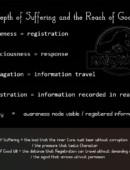
Interaction creates differences.
Differences carry information.
Information can propagate and be registered.
Awareness is one form of registration, not its prerequisite.
What is incomplete can change.
What can change can interact.
What can interact can propagate information.
What can propagate information can register difference.
And what continuously registers difference constitutes an ongoing process.
So existence, as a process, is only ever incomplete. Nothing in it requires a final fulfilment, and no law we know of requires that it ever be finished. It may end, or it may not. What it does not need is a goal.
How a process begins outside time is a question I can’t ask honestly, because “begin” already assumes time. So I ask a different one: what makes the first difference possible?
Not a first event, but a first distinction. The difference between what is and what isn’t. That is a logical ground, not an origin story. Difference comes before awareness. Awareness is what difference becomes when something can register it, and eventually register itself.
In humans, too, it is difference first.
What can make a stagnant body move
when it has no hope,
no optimism,
no reward,
no divine justice,
no recognition,
no meaning,
no social obligation,
no promised rescue?
Character.
The Inner Core says: Die.
Character says: Don’t just cackle at my misfortune. I am alive. Not dead yet.
A story’s ending curls inside its beginning. Not as a prediction, but as a shape. The answer lives inside the question. The one who dares to ask must become the one who answers.
Some truths are not carried across the universe. They are held by it. A taut sheet is in tension everywhere at once, not because a message crossed it, but because it is one sheet. In the same way, truth does not wait for second-order social consensus. The system is already locked.
Why would an incomplete thing want to complete itself?
Being oneself through Character, by Character, and for Character is the walk. Incompleteness is not a wound; it is the engine. Existence need not move toward completion. It may persist through the continuous expression of incompleteness. The universe doesn’t need a final fulfilment for its processes to continue. Likewise, Character doesn’t need a final reward to keep walking.
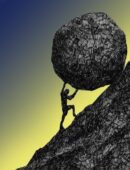
Character walks for its right to live, with its ability to walk.
Completeness is incompatible with existence. Incompleteness is its condition.
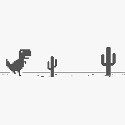
Ronie Dinosaur is walking.