









 ABOUT THE POEM: This poem frames life as a physical law rather than a moral story. Movement is not virtue; it is survival. The traveler does not walk for glory, faith, or validation, but because stopping invites gravity. The mountain metaphor rejects comfort: rest is not neutral, it is decay. External authorities—gurus, gods, philosophers, influencers—are presented as borrowed scaffolding, useful only to those already collapsing. Growth may appear effortless, like monsoon-fed crops, yet even abundance demands readiness and work. The speaker stands alone between birth and death, refusing shortcuts, excuses, or aestheticized suffering. Motivation is treated with suspicion; discipline replaces hope. The poem argues that meaning is not discovered through belief systems or collective approval, but through sustained motion under indifferent forces. Failure is not falling—it is choosing stillness. The closing question, “Why me?”, is not self-pity but recognition: difficult paths are not assigned to the special, only to those who keep walking when ease is offered.
Title – Lazy Ass – Haraam-Khorni Ke
Life is a traveler’s endless road-
no name needed, only stride.
The moment you halt,
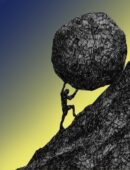
the path turns sheer, a mountain face.
You cannot cling to rocks forever.
Gravity waits, patient and impartial:
let go, and you fall from your place.
By nature’s law,
stagnation pulls you down.
In storm or wound or starless night,
to pause is to invite surrender.
To claim the journey done,
contentment sealed and complete-
that is the sweetest, deadliest illusion.
Even holding zero in the bank demands effort.
Those who boast early
swallow the truth later.
Some gifts arrive unasked-
monsoon rain,
crops that rise unseen-
yet even these demand the field remain open,
the soil unbroken.
Nothing truly grows
where motion has died.
Don’t lose on purpose;
don’t cheat to win.
Between two zeros-birth and death-
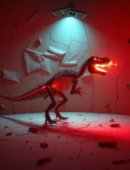
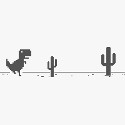
Ronie Dinosaur walks alone.
The ground beneath shifts unnoticed;
gravity hums its quiet reminder.
Tomorrow, if you stop,
you’ll crawl-
clinging to borrowed creed:
from gurus and gods,
ojhas, shamans,
Baba Bengalis, sex swamis,
hooded Klansmen in white,
philosophers cloaked in pride,
influencers flashing light,
super-rich Elons and Oppenheimers bright-
self-pitying whores in pathetic plight,
ego and greed enthroned at your core-
begging the path to take you back once more.
Their mouths full of borrowed light,
quoting salvation in hashtags and sutras,
building thrones from other men’s sentences-
all while gravity counts down,
patient, impartial, amused.
And I talk to myself
while walking:
If this were easy,
anyone would have done it.
Why me?