 ABOUT THE POEM:
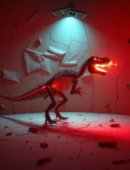
 “Pressure” operates within a philosophical frame that rejects consolation while maintaining function. The poem assumes a world in which transcendence, hope, and redemptive symmetry have been removed. The opening image-burning the equals sign-signals the destruction of equivalence. Nothing balances. Nothing compensates. In physics, pressure equalizes forces across surfaces; in this poem, pressure replaces fairness. It becomes the governing condition of existence. The ledger metaphor introduces accounting without forgiveness. A ledger records but does not absolve. Suffering “divides itself,” implying that pain multiplies structurally rather than narratively. There is no dramatic arc. There is only continuation. Walking becomes the only balance left, suggesting movement without destination. The act of walking is not hopeful; it is mechanical equilibrium. The deleted garden references the removal of origin myths. Whether read as Eden, innocence, or any lost ideal state, the garden is gone. What remains is architecture-constructed, impersonal, intact. Architecture does not bloom; it stands. Its dome casts shadow inward, emphasizing interiority without illumination. The speaker maintains this structure by dusting floors, a gesture of maintenance rather than transformation. This is not restoration. It is upkeep. Breath erasing breath reinforces impermanence. There is no metaphysical residue. Presence exists only in immediate occurrence. “Not reborn, simply born” rejects cyclical renewal. Each moment exists once, without symbolic surplus. The machine imagery reframes consciousness as functional hardware. Auxiliary power implies diminished capacity but continued operation. The system does not remember its purpose, only its procedures. This distinction is central. Purpose belongs to narrative frameworks; procedure belongs to systems. The poem sides with procedure. The “gap” functions as an ontological remainder. Pressure equalizes everything except this gap. In thermodynamics, systems move toward equilibrium. Here, equilibrium fails to collapse the distance between coordinates that touched once. That uncompressed space becomes the only absolute. It resists bloom, growth, or repair. It remains accurate. The void signing with silence formalizes absence as contract rather than mystery. Silence is not dramatic; it is binding. The clause-continue-reduces existential obligation to persistence. No reward follows. No redemption accrues. Even debt remains unforgiven. Interest accumulates as footsteps, reinforcing movement as cost rather than progress. The closing image of dusting floors until the echo learns to walk without complaint captures adaptation. Even reverberation adjusts to monotony. Complaint disappears not because suffering ends, but because resistance becomes inefficient. In total, the poem explores existence after metaphysical guarantees have been withdrawn. It presents a stable operating condition without hope, without collapse, without theatrics. The tone is austere and deliberate. Its coherence comes from sustained metaphor rather than emotional escalation. “Pressure” does not attempt transcendence. It documents maintenance under absolute conditions.
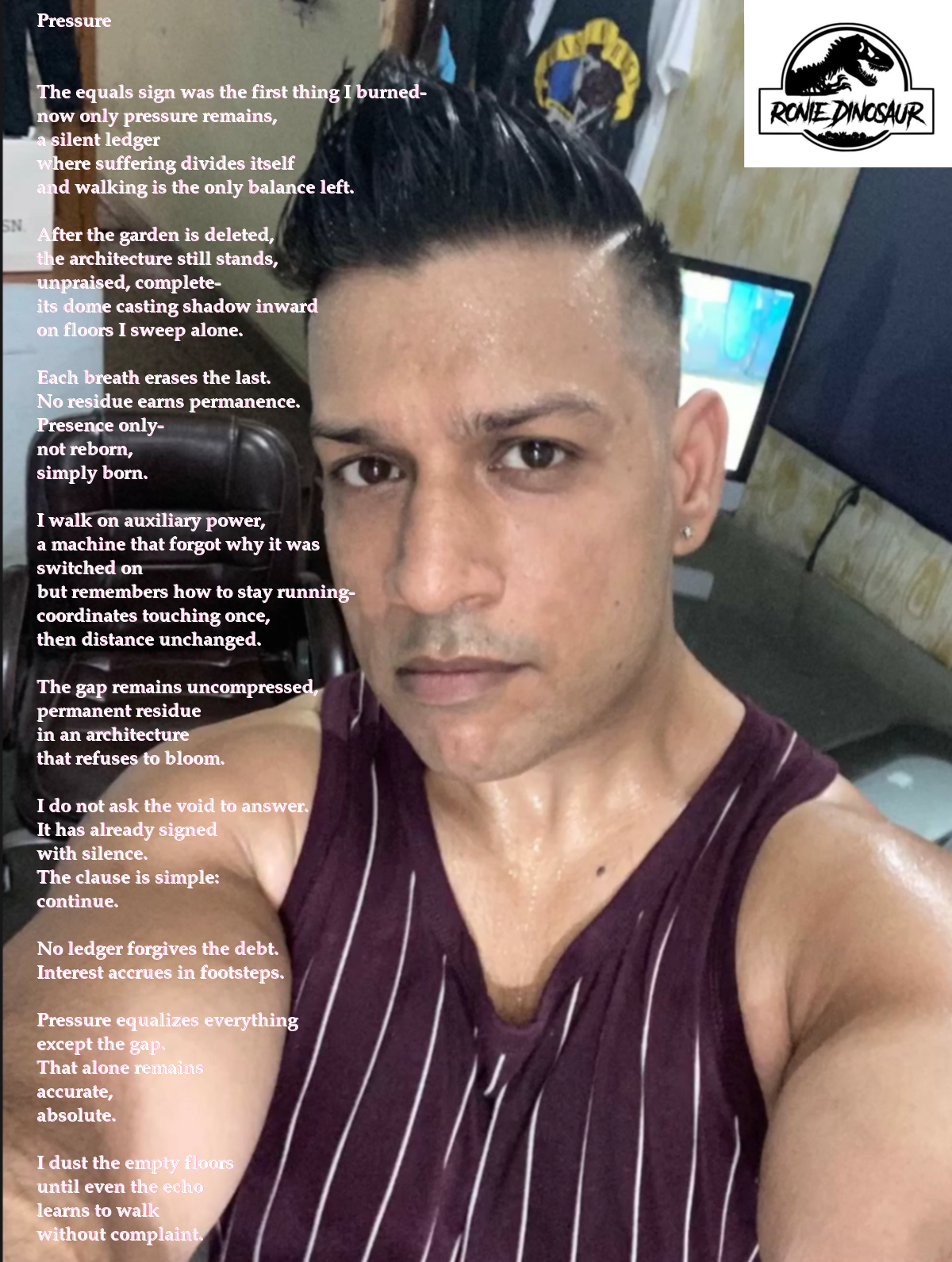
Pressure
The equals sign was the first thing I burned-
now only pressure remains,
a silent ledger
where suffering divides itself
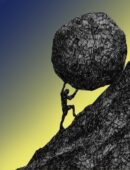
and walking is the only balance left.
After the garden is deleted,
the architecture still stands,
unpraised, complete-
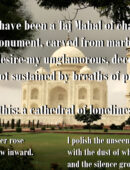
its dome casting shadow inward
on floors I sweep alone.
Each breath erases the last.
No residue earns permanence.
Presence only-
not reborn,
simply born.
I walk on auxiliary power,
a machine that forgot why it was switched on
but remembers why it cannot turn itself off-
yet enacts how to stay running-
coordinates touching once,
then distance unchanged.
The gap remains uncompressed,
permanent residue
in an architecture
that refuses to bargain.
I do not ask the void to answer.
It has already signed
with silence.
The clause is simple:
continue.
No ledger forgives the debt.
Interest accrues in footsteps.
Pressure equalizes everything
except the gap.
That alone remains
accurate,
absolute.
I dust the empty floors
until even the echo
learns to walk
without complaint.