 ABOUT THE POEM:
 “Absolute Poverty” is a first-person existential meditation that strips poverty of its usual economic or sentimental framing and recasts it as an ontological condition. The speaker is not merely deprived of money or resources, but of the very mechanisms through which humans usually negotiate meaning—hope, prayer, intention, unity, and appeal. The repeated contrast between “you” and “I” establishes a moral distance: while others still possess hope, faith, community, and the belief that asking might yield reward, the speaker stands beyond all transaction. God is presented not as a metaphysical truth but as an instrument—something invoked when there is still something left to demand. Against this collective posture, the speaker claims no grievance and makes no appeal. Pride here is not arrogance; it is residue—what remains when even shame has nothing to attach itself to. The emptiness described is total: not only is there nothing to carry, there is no vessel in which meaning itself might be held. The final movement introduces courage, carefully distinguished from hope. It does not promise salvation or victory. It signals agency without illusion: action arising not from belief in outcome, but from alignment with reality. The poem functions as witness rather than persuasion—documenting the inner stance of a person who continues to walk, not because something awaits, but because walking itself remains possible.
Title – Absolute Poverty
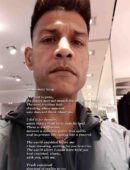
Ronie is utterly poor-
I possess nothing, absolutely nothing.
You can at least ask;
something might come.
I lack even a bowl to beg with.
You still hold the intent
to ask and perhaps receive.
I lack even that intent.
You still harbor hope.
I lack even hope.
You invoke God-
always something left to demand.
You gather in unity,
calling it strength.
I have no companion at all.
Yet I take pride,
though your God bestowed nothing on me.
I walk empty-handed,
brimming with nothingness,
no vessel to contain it.
But I cherish my courage,
which whispers:
now is the moment
to ignite.