 ABOUT THE POEM:
 This piece operates in a narrow, deliberate corridor between ethical declaration and emotional severance. It is not a confession and not a plea. It refuses the usual economy of loveexchange, recognition, redemptionand instead frames affection as a unilateral act that expects no return and rejects even the moral credit normally attached to selflessness. The opening quotation is key. In popular circulation, “I want nothing from you” functions as a performance of humility, a socially approved way of appearing noble while still hoping to be admired for it. The speaker dismantles that assumption immediately. Here, the statement is not symbolic. It is literal. Love is stripped of hope, reward, meaning, and even the comfort of being “good.” That last removal matters most. Virtue itself is treated as a payoff, and therefore refused. The paradox“both selfless and selfish”is not a rhetorical flourish. The selflessness lies in asking nothing. The selfishness lies in retaining sovereignty over the act. This love belongs entirely to the speaker. It cannot be validated, rejected, improved, or redeemed by the other person. That makes it ethically clean but emotionally terminal. The line “You may call me bad. I will hand you the reasons myself” preempts judgment. Rather than defending against moral accusation, the speaker absorbs it and claims authorship over it. This is not shame; it is ownership. The poem rejects rehabilitation narratives outright. “This boy can’t change” is not despairit is closure. Change would imply negotiation. There will be none. The postscript sharpens the blade. “Don’t talk to me ever again” is not anger; it is boundary as final law. The framing of “bad” versus “good girl” is intentionally crude and asymmetrical, echoing moral binaries while refusing to correct them. The speaker does not seek equality, explanation, or repair. He exits. The final movementwalkingis crucial. Walking is not escape or progress. It is sustained motion without destination. No meaning is recovered. No lesson is offered. The identity “Ronie Dinosaur” becomes a figure of persistence without transformation. Existence continues, stripped of expectation. In total, the piece articulates a rare stance: love without hope, ethics without virtue, movement without narrative. It will unsettle readers who expect emotional honesty to arrive bearing healing. This text does not heal. It stabilizes. It holds a posture and keeps walking.
Unreciprocated Respect
“If I love you, I want nothing from you-not even your love.”
-In common usage, this is performative humility.
People quote this line and feel grateful,
as if it captures pure selflessness.
When I say it, I mean it absolutely:
a love that is both selfless and selfish,
offered without hope, reward, meaning,
or even the consolation of virtue.
You may call me bad.
I will hand you the reasons myself.
Postscript
Don’t talk to me ever again.
Because Ronie is bad.
This boy can’t change.
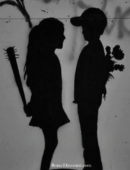
And yes-because I am bad and you are a good girl.
After that, I turned back
and walked.
Since then,
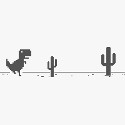
Ronie Dinosaur is walking.
Don’t even give me respect,
because yours would be fake and mine would be real.
It would be a loss again.
Youtube Video