 ABOUT THE POEM:
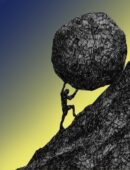
 Chapter 48, “Physical Exercise,” continues the turn begun in “Nutrition,” but tightens the logic. If Chapter 47 was about keeping the structure standing, this chapter is about load-bearing stress. Not comfort. Stress. The opening question is telling: the speaker is surprised by his own resistance to collapse. He isn’t suddenly hopeful; he is suddenly functional. That difference matters. Hope is a story. Function is a practice. The poem identifies the real antagonist with precision: consciousness itself. Not society, not fate, not gods by the river—but the negotiating mind that turns every demand into a moral trial. For decades, consciousness “bargained” him into running instead of walking, survival dangled like bait, always at the cost of a “flaw in character.” This is sharp self-diagnosis. It suggests that suffering was not only endured but ritualized, turned into proof of worth. Running becomes symbolic overexertion, an attempt to earn existence rather than maintain it. The refusal of angels descending from the Ganga is not atheistic posturing; it is logistical realism. No metaphysical bailout is coming. Hunger is not poetic. The baseline goal is brutally modest: not to die hungry. That sentence alone strips away spiritual theatrics and exposes the ethical core of the chapter. Survival is no longer framed as redemption; it is framed as responsibility. The second half delivers the thesis cleanly. Nutrition and rest, by themselves, “breed laziness.” That line will irritate wellness culture, and rightly so. The poem is not anti-rest; it is anti-complacency. Rest without exertion dulls attention. Exercise is introduced not as vanity or health optimization, but as a cognitive tool. Fatigue is deliberate. The body is tired so the mind cannot sprawl into fantasy or self-pity. This is an old ascetic insight expressed without incense: controlled exhaustion sharpens awareness. Crucially, the mind is not dismissed. It must still “calculate, evaluate, think.” This is not anti-intellectualism. It is hierarchy. The body is used to discipline attention, not replace it. Exercise becomes a governor on consciousness, preventing it from drifting into bargains, myths, and self-indulgent narratives. Awareness stays sharp because there is no excess energy to waste on melodrama. Stylistically, this chapter is leaner than earlier ones. Fewer metaphors, fewer flourishes. That restraint mirrors the content. The poem itself is exercising—cutting fat, keeping only what works. It reads like a manual written by someone who has already failed at every softer approach. Chapter 48 does not promise transformation. It promises maintenance under pressure. It argues that clarity is not achieved by insight alone, but by a body placed under honest, repetitive strain. Meaning is not chased. Collapse is resisted. That is the ethic on display.
Ronie Dinosaur Chapter 48 – Physical Exercise
Why, all of a sudden,
am I holding back from an early goodbye,
bracing myself to keep the house from collapsing?
For over two decades I pondered this-
and it was always my consciousness
that bargained me into running instead of walking,
dangling survival as the prize
while quietly demanding a flaw in my character.
At least this way,
I would not die hungry,
even if no angels descend from the Ganga.
Nutrition and rest alone breed laziness.
The mind must still work-
calculate, evaluate, think-
while the body is deliberately tired through exercise,
so awareness stays sharp,
so attention never dulls.
























[…] Ronie Dinosaur Chapter 48 – Physical Exercise […]