 ABOUT THE POEM:
 “On Its Own” explores how mind, heart, and character function as distinct internal systems guiding human action. The mind judges, pointing out what “should” be done. The heart desires, expressing longing without judgment. Character intervenes, evaluating possibilities and imposing the final decision—acting autonomously to restrain wrong actions, not desire itself. Through the lion metaphor, the poem shows that even instinctual beings follow constraints, but human character operates at a higher level: it prevents error while desire remains, independent and active. Nature and evolution parallel this system, conserving energy and enforcing limits without moral labels. The poem is not about morality or elegance; it is about functional ethics, practical restraint, and the internal architecture of decision-making. It emphasizes that real character is pre-installed, autonomous, and effective—a mechanism that works quietly, guiding humans toward right action without ego, sentiment, or external approval.
Title – On its Own
Integrity, morals, ethics, character-
these are the mind’s stern judges.
And then there is my heart,
which does not judge
what should be done.
I follow its command-
not for fun,
but because it speaks,
and I go its way.
In the end,
everything settles
exactly as it must,
on its own.
The mind says:
You should have eaten.
The heart replies:
Yes, I have longing.
Then character steps in,
looks at the options,
and decides-
like a boss:
The food was not mine.
If food is so easy to take,
why do I even exist?
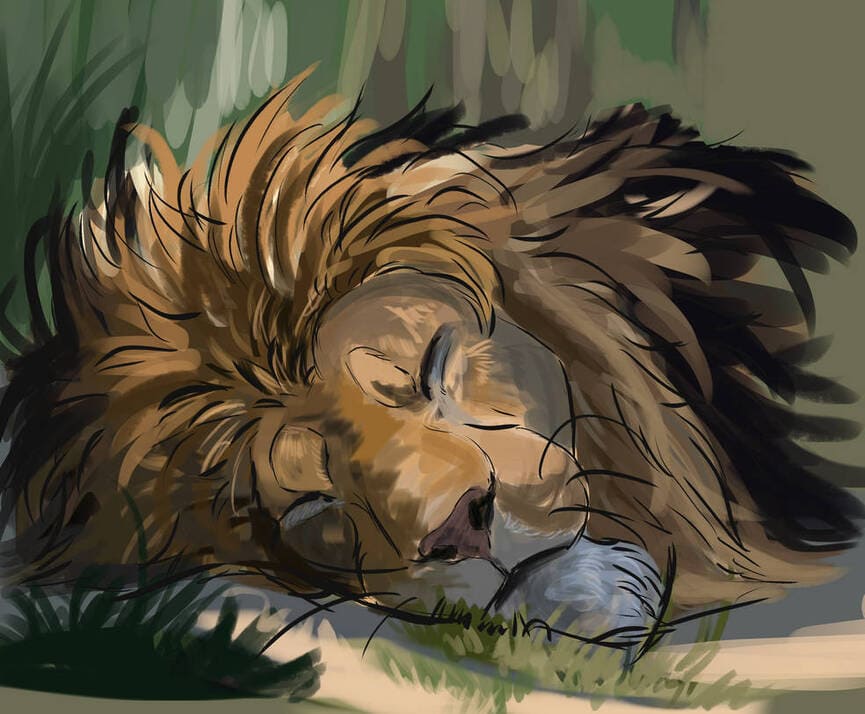
The lion is hungry-he eats.
He does not think.
Yet even he has character.
The lion would say:
“I am the king.
I have character,
but I have never met it.
It is just there,
working by default.”
Not to stop eating.
No.
To stop doing wrong
until you finally arrive
at what is right.
Nature conserves energy
the same way.
It is neither good nor bad.
It is just evolution.