 ABOUT THE POEM:
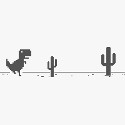
 Chapter 24, "From there I See You," acts as a reflective coda, pivoting the speaker's external gaze (the "there") onto a specific, singular "you"—likely a former lover or a generalized representation of the desired, but absent, human connection. This gaze is not passive; it is an act of total projection and control, where the speaker "appoint[s] answers" and "judge[s] in advance," effectively creating the object of their observation. This process is a desperate attempt to overcome an enduring "identity crisis" spurred by a consistent failure to be seen or noticed. The profound suffering comes from the realization that, despite all internal effort ("I did what I could while I thought"), the speaker always "return[s] alone." The speaker desires to "hold on before I lose you," indicating a final, tenuous grip on this external point of reference before retreating entirely. The communication barrier is massive: anything the speaker thinks feels "foolish" or, if spoken, becomes a "bore." This inability to translate rich internal life into meaningful external dialogue reinforces the isolation. The speaker reveals a critical method of self-effacement: "I never place myself as a point of reference." By centering the other ("I pick only you and position you"), the speaker derives feedback that leads to the declaration of a fluid, unknowable self: "I am not what you think I am, nor what I think." This confirms that identity cannot be fixed by external or internal metrics, especially since the speaker now suspects, "I don’t know if you ever saw me" in return. The core problem is identified as a lack of "action" and a "static mind [that] contracts under its own gravity." The speaker's profound self-absorption, while fueling the earlier chapters, is now recognized as a self-defeating force that keeps the self away from the self: "I need myself." This self-imposed intellectual and emotional stasis results in the self-deprecating conclusion: "I am too dumb to have nothing to share." The only action left is the basic, minimal gesture of witnessing: "I could come here and say: from there, I see you." The chapter concludes with a powerful, final step in the speaker's philosophical separation. The repeated mantra of the previous chapters, "Ronie Dinosaur is walking," is affirmed, but crucially modified: "But you are not the path." This statement asserts that the subject of the speaker's gaze, the "you," is neither the direction nor the destination. The path is the walk itself—purely internal, self-propelled, and independent of external validation or love. The struggle for identity ends with the resolute choice of self-determination over relational existence.
Ronie Dinosaur Chapter 24 – From there I See You
From there, I see you.
I even ask questions,
appoint answers to them,
judge in advance.
I have spared all my faces to get noticed,
yet I still suffer an identity crisis.
I did what I could while I thought-
and no matter what I think,
I return alone.
Let me face this.
I would like to hold on
before I lose you.
From there, I see you.
I say nothing.
I only try to be myself.
What I think feels foolish to tell you;
if I still say it,
it becomes a bore anyway.
I never place myself
as a point of reference.
I pick only you and position you.
From this feedback,
I have come to declare:
I am not what you think I am,
nor what I think.
From there, I see you.
And looking back now,
I don’t know if you ever saw me.
I know I lack action.
I don’t know your opinion.
My static mind contracts
under its own gravity.
It keeps me away from myself.
I need myself.
I lose everything and cry-
in other words,
I am too dumb
to have nothing to share.
But only you know
if I could do anything at all-
I could come here and say:
from there, I see you.
Ronie Dinosaur is walking,
But you are not the path.




















[…] Ronie Dinosaur Chapter 24 – From there I See You […]