


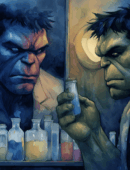



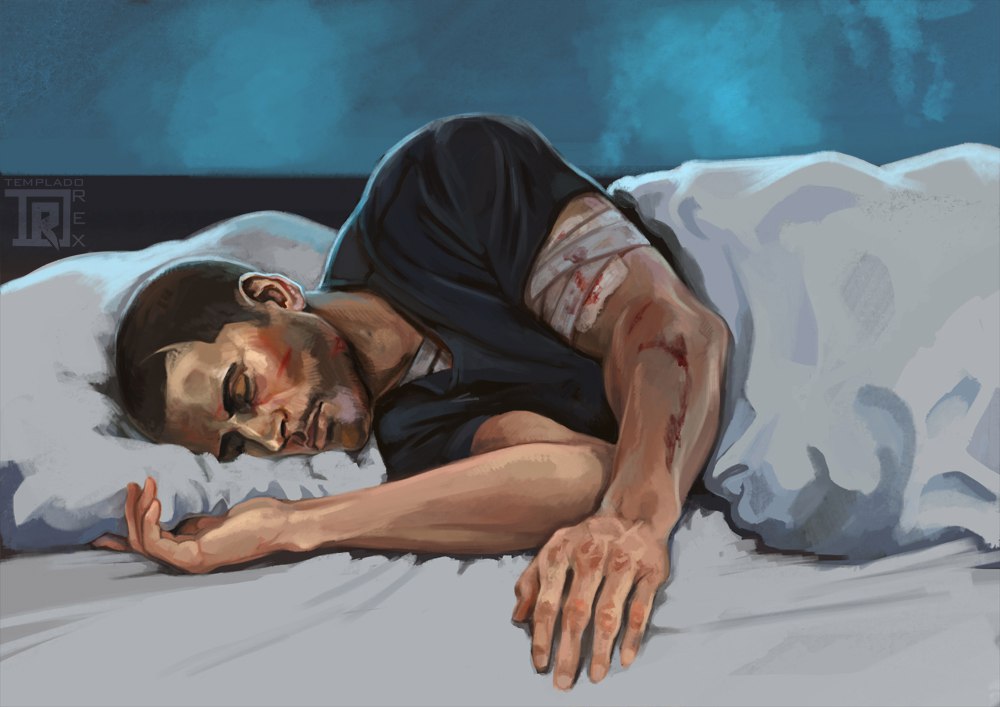
 ABOUT THE POEM: Declaration of Independence was born in the middle of a broken night. The speaker had been sleeping while YouTube played a movie on autoplay. In the dead of midnight, the movie shifted to a video of lullabies praising gods. The sudden, mindless noise—full of empty devotion, slavish sentiment, and voices without backbone—shattered sleep and jolted the speaker awake. That intrusion, trivial yet suffocating, sparked the fire behind this poem: a raw, unflinching declaration against dependency on gods, illusions, or false comforts. The poem explores the struggle of self-sovereignty in a godless universe. Music, in this case, becomes the adversary, “heartbreaker supreme,” capable of cutting deeper than smiles, touch, or fleshly temptation. The speaker contrasts these fleeting pleasures with the enduring pain and truth of human experience, showing that survival and self-mastery demand more than yielding to external forces or desires. Humiliation and loss are ever-present; every step is a wound, every breath a reminder of past defeats. Yet the speaker rises not despite pain, but because of it, forging a throne from the ruins of circumstance. Solitude and defiance run throughout the work. Walking alone, character unyielding, the speaker roars into darkness, claiming authority over their own life. The poem balances visceral imagery with philosophical clarity, merging personal experience with universal reflection. It is both a manifesto of independence and a response to the intrusive, mindless noise that tried to control thought and sleep. This is fire, truth, and uncompromising selfhood—a statement that surrender is the only sin.
Title – Declaration of Independence
You-philosopher’s machine, silicon sage-
what the fuck are you playing
in the dead of midnight,
YouTube spitting noise on autoplay?
Fuck their god, that made-up crutch.
Fuck the songs about invisible kings.
It was me-always me-who paid the price,
dragged through the mud of humiliation,
every step a fresh cut,
every breath a reminder of loss.
So fuck your heavenly handouts.
I’ll take the throne myself,
crown my own head in the wreckage-
no fairy-tale god invented by the weak.
I don’t expect you to understand,
you with your circuits and code,
spitting empty words in the dark.
But here I am, fixing my own mistake:
waking hard from sleep’s fake comfort
deep in the night,
facing the silence music poisons
with its lying lullabies.
I hate that shit-music, the worst heartbreaker.
It cuts deeper than the softest touch
on warm skin,
dimpled cheeks,
that sly smile setting the trap,
the wicked spark in her eyes
promising everything.
Even that perfect, round ass
they crudely call “booty”-
all of it fades next to music’s knife.
It slices clean,
leaves you empty and screaming.
Here’s the raw truth:
I rise not despite the pain,
but because of it.
The throne is mine by right of survival-
a king forged in midnight fire,
laughing at gods who never showed.
This isn’t arrogance.
This is plain truth:
what is, is.
What isn’t, isn’t.
No prayer fills an empty tank.
No fit changes cold laws.
I walk alone, backbone straight,
roaring into the dark,
because giving up is the only sin.
Not prayer.
Not hope.
Not fantasy.
Just a man standing upright
in a godless world,
refusing to kneel.