 ABOUT THE POEM:
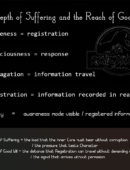
 This poem was written during rehabilitation-758 days inside a controlled, stripped-down environment where illusions do not survive long. Rehab is not a place of inspiration; it is a place of accounting. Time stretches. Language sharpens or collapses. You don’t write to perform-you write to keep track of what is still real. The speaker of this poem is not the author. The voice is constructed from proximity, not confession. It emerges from sustained contact with two women who lived under the same label-“call girl”-but inhabited it in radically different ways. One carried the full psychological and bodily cost of the role, without glamour or narrative control. The other used the role selectively, strategically, and without moral acknowledgment of the labor it demanded from others. The poem exists in the tension between those two realities. Empathy and anger coexist here because they were learned simultaneously. Rehab removes distance. You see how people survive, how they rationalize, how they numb themselves, and how they weaponize softness. This poem is not about sex work as an abstraction; it is about transactional intimacy-how desire, money, power, and self-erasure rearrange the inner geometry of a person over time. The repetition of “I am a call girl” is deliberate and exhausting. It mirrors how identity flattens when a system reduces a person to function. The speaker repeats the label until it loses erotic charge and becomes mechanical. That flattening is the point. The animal imagery-puppy, kitty, lap-does not invite fantasy; it indicts infantilization and dependency masquerading as consent. The vulgarity is not provocation for its own sake. In rehab, euphemism feels dishonest. The language is blunt because the conditions were blunt. Bodies were discussed without romance. Shame was ordinary. Power dynamics were visible. The poem refuses distance because distance is a luxury rehab does not offer. Importantly, the poem does not ask the reader to admire the speaker. There is no redemption arc. There is only survival through dissociation, through performance, through repetition. The speaker is aware of her own reduction and participates in it because awareness does not equal escape. That contradiction is central. The anger in the poem is not directed at sex, nor at women, nor at desire. It is directed at unequal moral accounting-at those who take intimacy without naming the cost, who consume labor without acknowledging it as labor, who enjoy power while pretending innocence. Rehab sharpened that anger because it forces confrontation with responsibility: who pays, who escapes, who pretends. This poem was written before resolution, not after. It documents a mental state rather than argues a position. It is a snapshot taken when meaning had collapsed into survival and language was the only remaining tool to prevent self-erasure.
Title – Call Girl
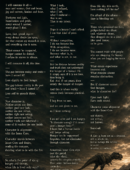
I’m a call girl
in a cheap, dirty world.
Not a butcher’s-shop red meat,
served like a hot-pink birthday treat.
I shower after every time I make noise.
I am a call girl—
a cunt, not a slut.
I am a brave girl.
I am a call girl
in a shameless, horny world.
I see money, and I get high.
Oh my dog, oh my dog—
I’m a puppy in your lap,
a sweet gal,
a kitty cat.
Fill my gap.
An addict—
use and abuse the fag.
I am a call girl
in a rich, happy world.
What if I get lispy
when I get tipsy?
Don’t you pray, dream, or hope, say?
I’m a big girl
inside a little girl.
I am a call girl
in a powerful, famous world.
I get weak under influence,
wet and sloppy under friction,
by men’s bodies.
In the end,
I am just a call girl
in a big, fat world.
I am a little girl inside a big girl,
but I don’t want you to see that.
I am a call girl.
I am counting cash
while the mirror counts the cost.
Like my ass—
I ask it straight:
how’s that?