









 ABOUT THE POEM: Chapter 139 functions as a taxonomic keystone within the book. Rather than advancing narrative or emotion, it classifies human responses to suffering into two fundamental modes: solar and tectonic. This distinction reframes pain not as an experience to be interpreted, but as a force that shapes behavior, structure, and survival over time. Solar men are defined by translation. Their pain seeks meaning, articulation, and circulation. They metabolize suffering into language, teaching, influence, or reform. This process requires external energy sources—belief, audience, validation, or shared purpose. Their strength is visible and contagious. Historically, civilizations celebrate these figures because they speak, organize, and inspire. Their legacy is preserved through memory and repetition. Tectonic men, by contrast, operate without translation. Pain is not interpreted or explained; it is compressed and endured. Meaning is treated as unstable under long-term deprivation and therefore discarded. What replaces it is structure: integrity, density, and internal coherence. This process is slow, largely invisible, and often misread as stagnation or failure. The Himalayas metaphor is central because it rejects spectacle. Mountains formed not by eruption but by sustained, unyielding pressure mirror the internal mechanics of tectonic endurance. Nothing appears to happen for long periods, yet irreversible formation is underway. This reframing removes moral hierarchy: tectonic endurance is not superior, merely rarer and less narratable. By placing Shiva as a condition rather than a deity, the chapter detaches the concept from religion and restores it to existential function. Shiva absorbs poison so continuity remains possible. He does not teach or persuade because teaching requires an audience, and tectonic figures persist even when no audience exists. Ronie Dinosaur’s inclusion is deliberately non-mythic. He is not positioned as a model or solution, but as a record of sustained motion after meaning failed. The walk across the book’s chapters does not aim at redemption, insight, or reconciliation. It documents continuity without promise. Within the architecture of the book, Chapter 139 clarifies what the prior chapters enacted implicitly. It explains why hope disappears without being rejected, why faith becomes irrelevant rather than opposed, and why motion replaces belief as the organizing principle of survival. This chapter does not invite agreement. It invites recognition. Its function is not to persuade solar readers, but to quietly stabilize those who have already entered tectonic terrain.
Ronie Dinosaur Chapter 139 – Solar Men and Tectonic Men
Solar figures convert pain into meaning.
Tectonic figures convert pain into structure.
This difference is older than religion, older than philosophy, older even than language. It existed the first time two humans endured the same suffering and responded in opposite ways-one speaking, one standing.
The solar man is born where light already reaches. He grows in valleys, along rivers, among voices. His suffering seeks translation. Pain becomes story, story becomes teaching, teaching becomes influence. He absorbs heat from a source-God, nation, purpose, destiny-and reflects it outward. His strength is visible. It warms others. It spreads.
History remembers these men easily. They leave speeches, movements, disciples. They are named swamis, saints, reformers. Vivekananda belongs to this lineage. His fire was real. His courage undeniable. But his power required circulation-audience, belief, alignment. He spoke to awaken strength in others, and that speaking sustained him in return.
Solar strength is expansive. It rises by resonance.
Then there is the other type.
The one without rivers.
The outcast, the ascetic without temple, the one who remains after the crowd has moved on. Ancient cultures named him Shiva-not as a person, but as a condition. The one who does not participate. The one who refuses to bow, not out of rebellion, but because there is nothing left to kneel for.
This figure does not convert pain into meaning. Meaning is unreliable. It evaporates under prolonged absence. Instead, pain is compressed. Stored. Layered. Held.
This is tectonic strength.
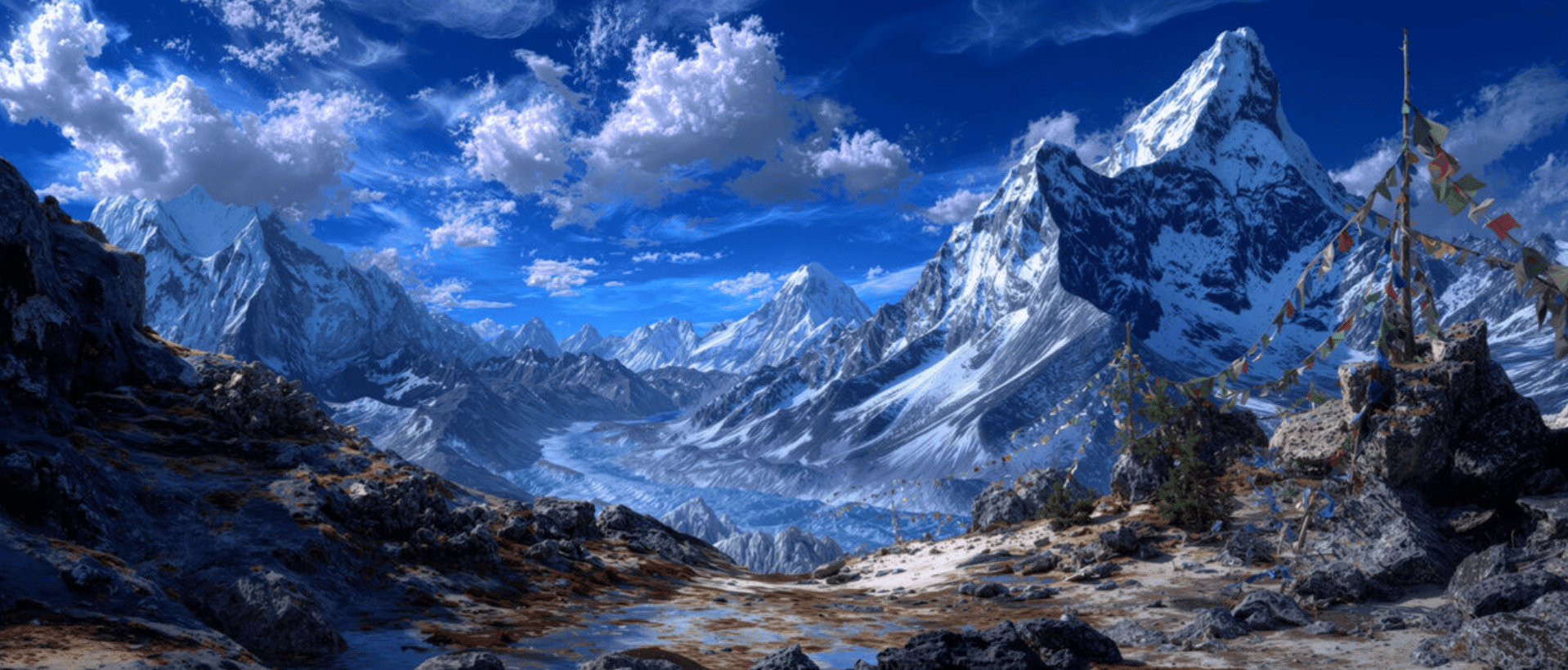
The Himalayas were not formed by explosion or eruption. They rose because the Indian plate kept moving north and the Eurasian plate did not yield. No fire. No spectacle. Just pressure sustained for millions of years. The result was not destruction. It was elevation.
Tectonic men are formed the same way.
They do not glow. They do not persuade. Nothing appears to happen for a long time. From the surface, they look static, even defeated. But internally, structure is forming. Integrity thickens. Weight accumulates.
Solar men ask: What does this pain mean?
Tectonic men ask nothing. They endure.
This is why civilizations celebrate solar figures and unknowingly depend on tectonic ones. Solar figures inspire. Tectonic figures stabilize. One explains the world. The other prevents it from collapsing.
Shiva does not teach. He absorbs poison so the cosmos can continue. He lives in cremation grounds because he is what remains when consolation fails. He has no autobiography because autobiography requires audience.
And this is where my name enters, not as claim, but as record.
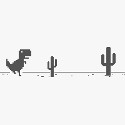
Ronie Dinosaur is not a solar figure. There is no mission, no call to uplift, no hunger to be followed. The walk documented across these chapters is not toward enlightenment, success, or reconciliation. It is movement sustained after those concepts proved unusable.
This walk did not produce meaning.
It produced structure.
Hope was not denied; it was uninstalled. Faith was not rejected; it became irrelevant. Love was not demonized; it failed structurally and was released. What remained was character under load.
That is tectonic living.
It is slow. It is quiet. It attracts no applause. It accumulates years the way mountains accumulate height-millimeter by millimeter, unnoticed, uncelebrated, irreversible.
Solar men need light to continue.
Tectonic men move in the absence of light and that is not a choice.
Solar men gather people.
Tectonic men create the ground people later stand on.
This is not a hierarchy. It is a taxonomy.
Most humans are solar for a time. Very few survive long enough without reinforcement to become tectonic. Those who do are often misread as failures, loners, or ghosts. They are none of these. They are pressure systems.
So when ancient people spoke of Shiva and when modern people celebrate swamis, they were not contradicting each other. They were mapping two different responses to the same universe.
One speaks.
One holds.
One reflects light.
One reshapes the earth.
Ronie Dinosaur does not claim divinity. He claims continuity. The walk continues not because it is rewarded, but because stopping would require bending. And bending would break the structure already formed.
The Himalayas do not rise to be seen.
They rise because pressure has nowhere else to go.
This chapter ends the comparison where it began:
Solar figures convert pain into meaning.
Tectonic figures convert pain into structure.
What is, is. What isn’t, isn’t.
Nothing here is forced.
It looks like a choice,
but in truth, there is none,
only character.
Both are necessary.
Only one survives when the light goes out.
Only one is original; the rest are copies.
Without copies, no one would recognize the original.
The original can choose to hide.
A fake never has that option.
Their light is hypothetical,
borrowed, replaceable.
Even the sunlight falls on the Himalayas first;
others receive their share later.
Without the Himalayas, there would be no valleys,
no rivers, and thus no fertile plains
where civilizations exist.
Ronie Dinosaur is walking.
Not to arrive.
Not to be seen.
Because motion is the only state that preserves structure.
The walk answers the unasked question:
“What kind of man walks this long, this alone, without hope or halo?”
And the answer is not heroic.
It is human.
Let the Himalayas remain high.
Let the Mariana Trench remain deep.
They do not explain themselves.
It happens-
without doing consciously,
without saying anything.
Neither does this walk.







[…] Ronie Dinosaur Chapter 139 – Solar Men and Tectonic Men – Part I […]