 ABOUT THE POEM:
 This poem operates in a moral landscape that is deliberately stripped of romance, consolation, and spectacle. Its central concern is not love as an emotion but love as structure-how a human being remains upright when appetite, loneliness, and opportunity converge. The recurring metaphor of candy and strangers is not naïve; it is instructional. It invokes the earliest ethical lesson most societies agree upon: availability is not permission, and hunger does not suspend responsibility. The poem challenges a dominant modern assumption-that exposure, experience, or consumption is necessary for self-knowledge. Against this, it argues that character is not discovered by collapse but preserved by refusal. Knowing when to stop, when not to take, when not to consume, is presented as a more advanced form of wisdom than sampling everything and retroactively narrating growth. A crucial distinction runs through the poem: desire versus consent. Desire is framed as weather-natural, impersonal, morally neutral. It arrives without asking. The ethical failure begins when desire is used as leverage, when hunger is weaponized to obligate another person, or when silence is used to evade responsibility. A gift that does not name itself is not innocent; it shifts the burden of interpretation onto the receiver and then punishes them for choosing wrong. The poem also resists a common moral inversion: that refusal is arrogance and acceptance is humility. Here, restraint is not fear, and refusal is not cruelty. They are acts of self-respect. The speaker rejects the idea that dignity should be sacrificed to avoid loneliness or to validate someone else’s unspoken need. Hunger endured is not romanticized, but it is preferred over self-betrayal. In contrast to literary traditions that aestheticize downfall-where loss of control is framed as depth or authenticity-this poem insists that falling requires no character. Anyone can fall. Gravity does the work. What matters is the capacity to remain standing when gravity is real, when appetite is persuasive, and when social pressure reframes collapse as virtue. Love, in this framework, is not the feast. The feast implies consumption, entitlement, and proof through indulgence. Love is alignment: two agents naming their intent, choosing each other without coercion, without silence, without debt. Anything less-especially anything that demands collapse to prove sincerity-is exposed as appetite wearing moral language. Ultimately, the poem is an argument for ethical adulthood. It asserts that humans are not animals precisely because they can refuse, can name, can wait, and can remain answerable to themselves even when no witness rewards them. It does not condemn desire. It disciplines it. And in doing so, it reclaims character not as rigidity, but as the quiet strength that keeps posture intact when the world insists that hunger is excuse enough.
The Unnamed Gift
When you give a gift,
do you announce it-This is for you-
or do you leave it in the dark
and call the receiver thief?
Hunger exists.
That is not the crime.
The crime is the hand
that looks like kindness
but forgets its own name.
They say: If you were hungry,
why did you not eat?
No one asks
why the bread was silent,
why it preferred to be stolen
rather than offered.
Desire arrives like weather.
To want is not weakness.
Weakness is pretending
weather is consent.
A gift that cannot say I am a gift
is not generosity.
It is pressure wearing perfume.
They will call refusal arrogance.
They will call restraint fear.
They will use your hunger
as proof you owed them yes.
But dignity is not fed
by what is merely available.
Love is not the feast.
Love is the moment
you choose to stay hungry
because eating would cost
your posture.
If that makes you lonely,
let it.
Better alone with hunger
than full of something
you never agreed to swallow.
You may call it surrender.
I call it voluntary restraint.
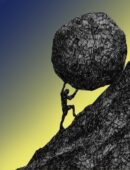
Falling requires no character.
Anyone can fall.
What matters
is standing when the hunger is real-
not because surrender is wrong,
but because not all gravity
deserves your kneel.
If two people choose each other,
that is not a feast.
That is alignment.
But if love demands collapse
to prove itself true,
it was never strength-
only appetite
dressed as virtue.