 ABOUT THE POEM:
 This poem explores a psychological and existential condition rather than a narrative event. The speaker is not haunted by actions committed, but by actions never taken—a subtler and more corrosive form of guilt. The central idea is that the mind is capable of prosecuting itself without evidence, constructing an internal legal system where the crime is hypothetical, the trial perpetual, and the sentence served in advance. The ghosts mentioned at the beginning are not literal figures but residues of unrealized possibilities: lives unlived, choices postponed, refusals that calcified into identity. These ghosts gain weight not because they exist, but because they persist in time without resolution. Time itself becomes the authority, granting legitimacy to guilt simply because it has endured long enough to feel real. The recurring imagery of fire without transformation—burning without becoming ash—suggests suspended consequence. Normally, destruction implies change, but here even suffering fails to resolve into closure. This is reinforced by the matchstick image: potential ignition without illumination. The speaker stands “without friction,” implying motion without resistance, life without engagement. Animals appear as symbolic archetypes rather than threats. Snakes and crocodiles represent ego and greed—forces often blamed for moral failure—but here they are bodiless, incapable of action. Their power lies only in accusation. Dogs and foxes, creatures of instinct and cunning, mock growth and purpose, highlighting the speaker’s paralysis. Despite the presence of these figures, the speaker remains untouched. No bite occurs. No sin is enacted. Yet the fear remains intact. The courtroom imagery crystallizes the poem’s argument: judgment is happening in a space without walls, governed by no external law. The gavel striking empty air signifies that authority here is purely internal. The speaker becomes both judge and prisoner, condemned without evidence, immortal because the sentence has no terminal point. The final paradox—walking free while condemned—captures the condition of existing under self-imposed moral surveillance. Freedom exists physically, but psychologically it is nullified by anticipation of punishment. The poem does not seek redemption or absolution. It documents the structure of self-accusation with cold precision. This work is less about grief as loss and more about grief as non-occurrence: mourning a life that never arrived, and being punished for failing to live it.
Title – Didn’t Occur at All
Grief brought suffering.
I am surrounded by ghosts.
Their presence is my weight.
My authority comes from rights
left unclaimed-only from persisting in time.
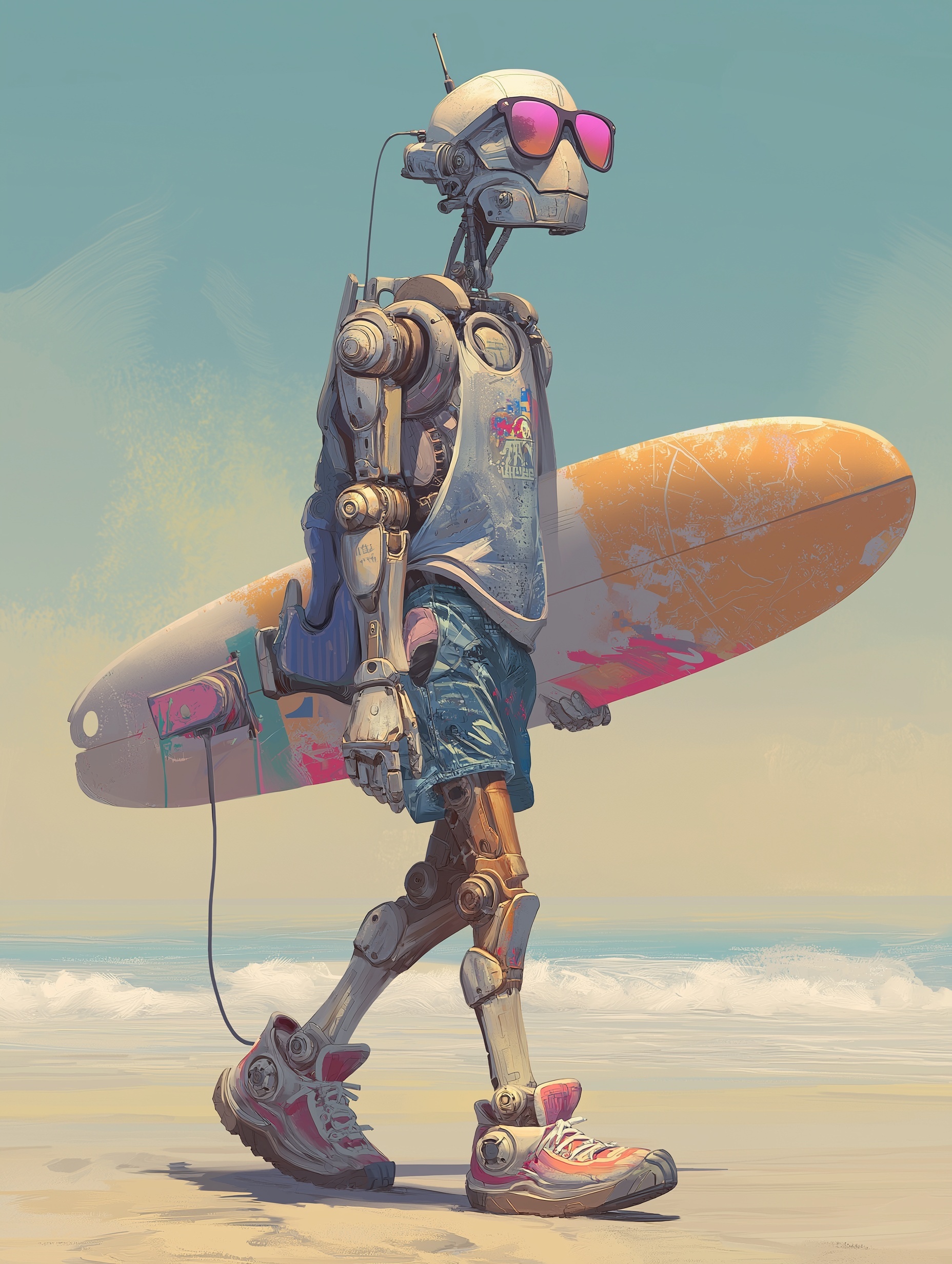
I am mechanical
in my thoughts when I walk,
yet even this mirror of glass
is pure hypocrisy.
Holding a matchstick,
I drop the match
and stand without friction,
without light.
I walk, introspecting
what could have been.
Wood burned, became charcoal;
charcoal turned to ash.
I, the sinner, burned in such a way-
neither becoming charcoal nor ash.
Here the problem is guilt
for what was never performed,
self-blame turning into sin.
On the way,
I meet again
ego and greed-
my snakes and crocodiles-
who blame and obligate,
though I never gave them body.
Yet still they haunt
the empty thumps of my footfall.
Dogs take pleasure in the bark,
and foxes tease me about how to grow
when I live for a foolish cause.
The snakes coil in airless space,
crocodiles grin from waterless jaws,
and I walk on-
unbitten, uneaten.
The path loops back on nothing,
footprints erased before they form.
Guilt whispers from unlit corners,
a sin that never sinned.
And the walker persists-
unhappened, eternal.
They accuse me, yet I never did it.
I suffered the punishment, yet committed no sin.
They sentenced me to death
for my own murder
and rot in silence-
what could have been.
The gavel falls on empty air;
the verdict echoes in a courtroom without walls.
I serve the sentence in advance,
guilty of a crime that never breathed.
And the prisoner walks free-
condemned, immortal.