 ABOUT THE POEM:
 Fifteen documents the moment before philosophy, before narrative, before recovery. It captures an early rupture where emotional injury precedes the formation of grief, leaving shame as the dominant force. The poem refuses to dramatize this event as tragedy or trauma; instead, it treats it as an irreversible compression of experience—love, loss, and exposure occurring within a single day. The speaker does not linger on the girl or the humiliation. Those details are deliberately minimized. What matters is not the incident itself, but what it revealed: that some realizations arrive before the mind has language or defense for them. Shame, unlike grief, does not ask for time. It arrives fully formed, social, and absolute. The central action of the poem—walking—emerges not as a metaphor for resilience but as a biological and existential inevitability. Movement continues because blood continues. There is no appeal to hope, growth, or redemption. Walking here is not progress toward meaning; it is continuation without illusion. The poem draws a sharp distinction between circumstance and stance. The line “same man, same stance, only the location different” rejects romantic destiny and victimhood simultaneously. The speaker suggests that the core self was already present; the event merely revealed its operating conditions. In its final movements, Fifteen reframes art and philosophy not as consolations but as classifications. Poetry becomes the visible form, philosophy the underlying structure. Beauty is not sought; truth is allowed to appear, even when stripped of comfort. In that bareness, a different kind of beauty emerges—one rooted in accuracy rather than relief. The closing axiom, “What is, is. What isn’t, isn’t,” anchors the poem firmly within first-order thinking. It refuses metaphorical escape and denies the reader emotional bargaining. The poem does not ask to be empathized with or healed. It simply stands, documents, and moves on.
Title – Fifteen
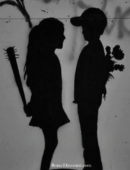
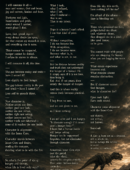
When I was fifteen,
a girl broke my heart-
on the very same day
she humiliated me for it.
I fell in love that morning,
heart shattered by evening,
brought to my knees before nightfall.
Grief had not even begun to form,
yet shame erupted like fire.
What could anyone do?
What could I do?
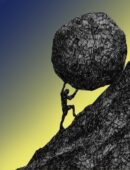
I walked anyway.
A boy with the courage to reach that far
could have gone elsewhere-
same man, same stance,
only the location different.
The world is gone now,
death still trails behind,
and I walk.
Poetry is the shape it takes;
philosophy, the essence.
Sometimes the absence of beauty
reveals the truth-
and in its starkness
becomes beauty itself.
What is, is.
What isn’t, isn’t.