 ABOUT THE POEM:
 Chapter 29 is a profound reflection on the untouched, pristine nature of the speaker’s heart and the immense vulnerability that comes with such purity. The heart is described as "untouched"—meaning external influences and emotional debts have been erased, vanishing "with those who wrote it." This state of emotional tabula rasa is achieved through radical self-acceptance, where the only remaining force is the "duty to stay true to what I am." The consequence of this purity is complete spatial and relational isolation: the speaker belongs to "no corner of this world," with no road beneath their feet and no companion. The promise of human connection "evaporated with those who never understood." This echoes the solitude of previous chapters, confirming it as an inevitable outcome of the speaker's moral code. The speaker contemplates hypotheticals that contrast their reality with conventional heroism. A "lesser" heart might have allowed them to claim easy victories; more "time" might have allowed them to acquire the slow ground of silent gods; more "wiser" hearts love and offer empathy without resistance. Instead, the heart "stays intact," and this single choice "costs everything." The speaker acknowledges that living "cleanly in a world ruled by power is to live underpowered." Character is maintained not through inherent strength, but by "borrowing strength" it refuses to "worship." This is a critical distinction: the power is instrumental, not devotional. The most intense imagery involves the contrast between the protected heart and the speaker's own unarmored core. The "clever" hearts are encased in "helmet, elbow guards, knee guards, gloves," trained to cheat, to feel less pain, and to survive falls with mere scratches. The speaker’s heart, however, is "unarmored, untrained for deceit." Its fall would be absolute: a death like that of gods—"unannounced, tragic, unthinkable," a destruction so total it defies belief. This highlights the speaker's existence as a fragile, singular anomaly. The chapter ends with a tragic reflection on love. The clever, protected hearts are trained only to "take and deceive." Their capacity for genuine affection is nullified by their mechanism for survival. The speaker concludes with a final, poignant paradox: the heart that is never fooled in love—that is, the one that holds its integrity at all costs—has been the "most foolish" of all. The victory of unarmored integrity is the tragic, foolish, and beautiful reason for the speaker's enduring isolation.
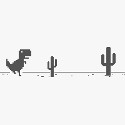
Ronie Dinosaur Chapter 29 – A Blank Heart, Still
My heart remained untouched-
whatever was written vanished with those who wrote it.
I carried the blame, even questioned the garden itself.
No rescue arrived, only the duty to stay true to what I am.
I belong to no corner of this world-
no road beneath my feet, no sign ahead.
Where am I even meant to go?
The promise of a companion evaporated
with those who never understood.
I sometimes think-
if this heart were lesser,
I might have claimed what heroes claim.
If it had more time,
it could have gained the ground
of gods who kept silent for millennia.
If it were wiser,
it might love without hesitation,
offer empathy without resistance.
Instead, it stays intact-
and that costs everything.
To live cleanly in a world ruled by power
is to live underpowered.
Character survives here only
by borrowing strength
it refuses to worship.
A heart fitted with every protection-
helmet, elbow guards,
knee guards, gloves,
leather jacket layered thick.
Trained to win by cheating,
to feel less pain,
to never truly fall.
Those hearts stumble, crawl,
rise again with scratches.
But mine-
when it falls-
unarmored, untrained for deceit-
it falls the way gods die:
unannounced, tragic,
unthinkable.
The kind of destruction
no one ever believed
was possible.
The clever, too, receive their share-
but how do they love
with a heart trained only
to take and deceive?
A heart that is never fooled in love-
none has ever been
more foolish than that.




















[…] Ronie Dinosaur Chapter 29 – A Blank Heart, Still […]