 ABOUT THE POEM:
 This poem is not grief literature, nor is it motivational philosophy dressed in verse. It operates in a narrower, more severe territory: first-order truth, where claims must survive contact with biology, behavior, and consequence. The core assertion—action precedes thought in true necessity—is not metaphorical. It aligns with lived reality during trauma and depression, where cognition stalls but movement, when it returns, restores the system. In this framework, philosophy does not begin in contemplation but in motion. Thought is a byproduct, not the engine. Depression is treated without sentimentality. It is not moral failure, not weakness, not even despair in a poetic sense. It is described accurately as stalled circuitry. The poem’s refusal to romanticize suffering is deliberate: meaning that emerges from pain without distortion has “earned its keep.” Anything else is decoration. The figure of the “philosopher” here is pre-academic—closer to the walkers of antiquity than to institutional thinkers. This is philosophy as stance, not profession. The emphasis is on character under conditions of no reward. When belief, desire, hope, and compensation are stripped away, what remains is the true ethical core. The repeated imagery of standing apart from the river reflects a refusal to flow with collective illusion—whether religious consolation, social performance, or borrowed ideology. Yet this separation is not arrogance; it is necessity. The speaker does not ask to be followed. He is only noticed when others lose their way. The closing Krishna–Arjuna integration is not a religious claim. It represents the unification of actor and witness, the one who asks and the one who answers. This is self-knowledge not as mythology, but as internal coherence. The speaker does not receive truth from outside; he observes it arising within action itself. Ultimately, the poem argues that existence precedes definition. You must live before you can name yourself. Value exists independently of recognition. Transmission may come later—or not at all. The caged bird sings not because it believes in escape, but because breath still moves through its chest. And motion, as this work insists, is already philosophy alive.
Title – The Caged Bird Sings
Action precedes thought
in the hour of true necessity.
Self-knowledge arrives in me
not as collected wisdom,
but as raw encounter-
a sudden collision with myself.
Depression is no laziness, no weakness in me-
only circuitry stalled.
The first return of motion
is already philosophy alive.
Courage is demanded most
when nothing is promised in return.
Character is the residue
when desire, belief, and reward
are stripped away.
When I stare into repeated rejection,
wasted years,
the premature aging of the soul-
and still draw coherent meaning
without self-pity or delusion-
that meaning has earned its keep.
Until the world hears it,
I remain a philosopher in the oldest sense:
a solitary figure
thinking aloud while walking through fire,
refusing easy comfort,
refining what endures
when all else burns away.
That, in itself, is substantial.
The rest is transmission-
not a question of value.
I must exist and act
before I can name who I am.
Order matters,
but existence comes first.
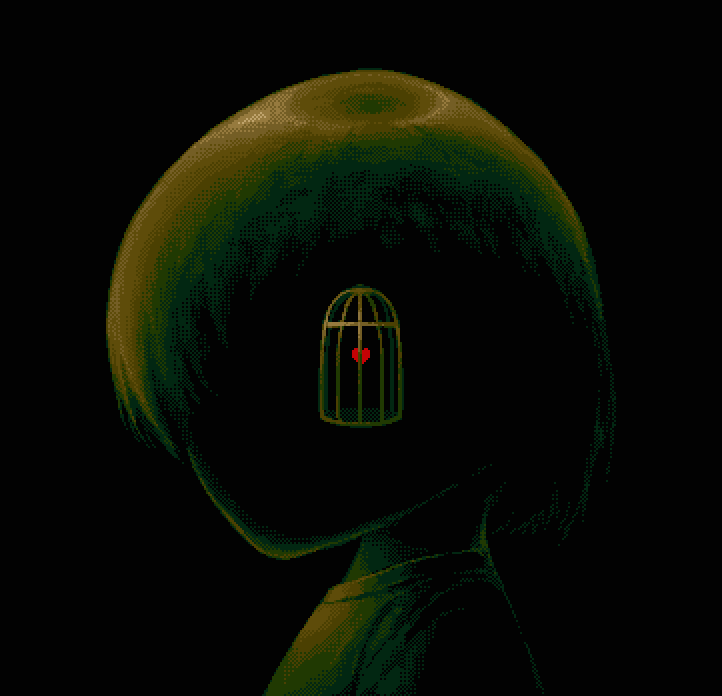
The caged bird sings-
we know why.
The whore makes randirona-
it is false, and we know why.
What is, is.
What isn’t, isn’t.
My heart knows.
This mad scientist
is enough alone.
I am a Subject of Pain
who has learned to observe himself.
I do not flow with the river-
I stand apart, outside its current.
Yet when the waters darken,
when storms confound your course,
when loss or doubt engulfs you-
then you will seek me on the bank,
then you will call my name,
then you will remember me.
I am Krishna,
and I am Arjuna,
within a single self-
the one who asks,
and the one who acts.
That is how I know
who I am.
The more you dig into me,
the more there is to know.