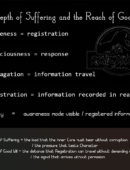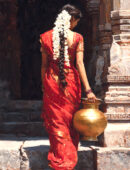








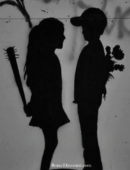


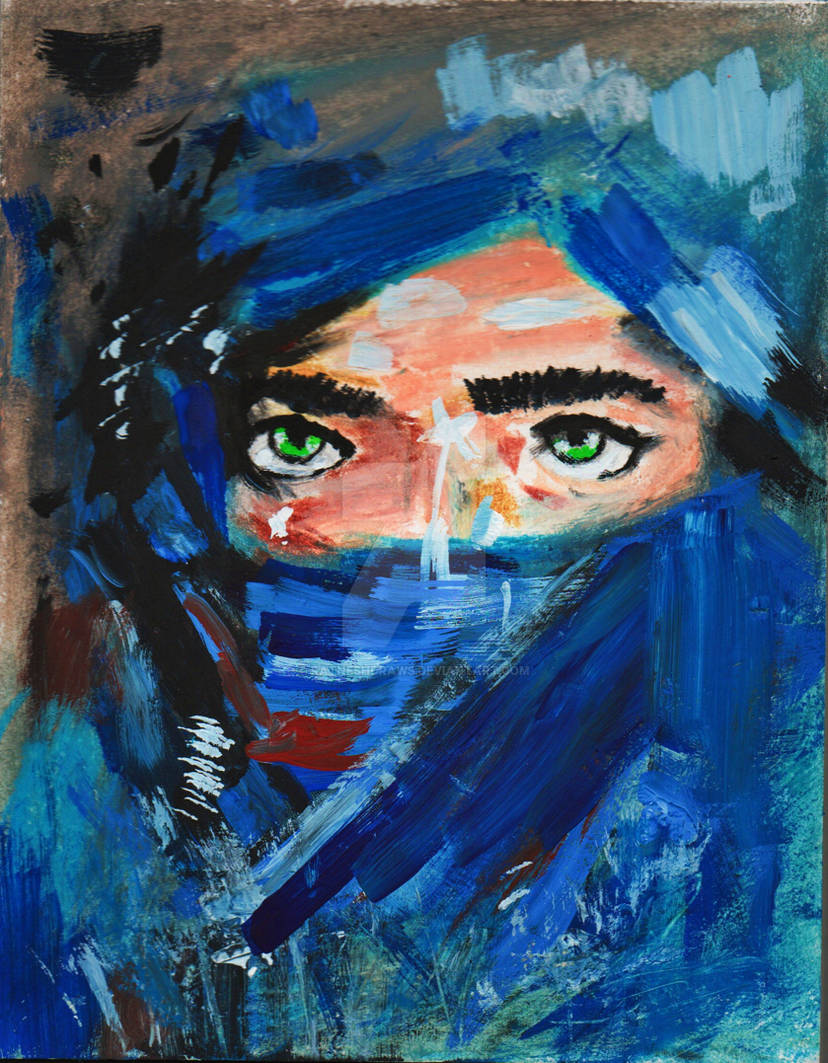
 ABOUT THE POEM: Veil, Burkha, Ghoonghat confronts the shallow logic by which modern society assigns value—both to women and to language. The poem draws a deliberate parallel between how “simple” poetry is dismissed as childish and how covered women are labeled oppressed, while exposure—of skin or of meaning—is praised as liberation. The speaker challenges this reflex, arguing that neither depth nor freedom is guaranteed by visibility. The poem resists the demand that meaning must be explained, displayed, or stripped bare to be taken seriously. Just as a veiled woman is judged before she speaks, a plain poem is rejected before it is felt. In both cases, perception replaces understanding, and fashion replaces thought. The speaker exposes how moral superiority is often performative—celebrating exposure as progress while ignoring autonomy, intention, and inner strength. Fire becomes the poem’s central counter-symbol: not destruction for spectacle, but illumination born of friction, restraint, and determination. Language itself becomes the matchstick—quiet, unadorned, yet capable of burning through labels, hypocrisy, and curated enlightenment. The closing movement reframes power as internal discipline rather than outward display, asserting that truth does not need permission, applause, or visibility to move forward. The poem ultimately argues that silence, simplicity, and covering can hold more force than noise, decoration, or exposure—and that misunderstanding does not invalidate truth. The core argument: restraint is not weakness, simplicity is not stupidity, and silence is not surrender.
Title – Veil, Burkha, Ghoonghat
People read a simple poem,
plain English, nothing dressed,
and name it childish, dumb,
unworthy of their test.
They hear a nursery rhyme
and think they’ve heard it all-
“Twinkle, Twinkle” sneered away,
small stars deserve a fall.
The same eyes scan a woman veiled,
burkha, ghoonghat, skin denied,
and file her under oppressed,
already judged, already tried.
They walk past fast, enlightened, clean,
progress swinging from their chest.
Then praise their lover, praise their child,
half-naked, loud, displayed-
liberated, modern, free,
a victory parade.
Cloth becomes a moral crime,
exposure earns a crown;
one is lifted as a symbol,
one reduced to background sound.
They never touch the poem’s pulse
unless the context is chewed,
plated, labeled, pre-digested,
served like intellectual baby food.
Meaning must undress itself
before they call it deep.
A boor is only a half-naked woman in a skirt,
fabric mistaken for fashion,
skin confused with worth.
No alchemy occurs by showing more;
no wisdom leaks through thighs.
They say the niqab hides the mind,
something dark, unsure, ashamed.
Burkha, ghoonghat-ancient ghosts,
history to be blamed.
Don’t worry.
There will be fire.
I’ve struck a match from the box of language.
The head scrapes silence.
A spark refuses permission.
Plain words ignite first-
then labels, then sneers,
then the tidy lies we dressed as progress.
Light does not ask
who was covered
and who was exposed.
It burns what it touches.
Darkness gets no vote.
Food heat, spice heat,
youth’s hot blood,
the fever of a malfunctioning brain-
all useless crap.
Against the fire
of determination,
resilience,
and character,
and towering above them all:
my damn will-
the nuclear reactor.
Do not underestimate the silence of the restrained:
the one veiled in shyness,
the one scarred by shame,
the one wronged while standing right.
Never block the path of truth.