 ABOUT THE POEM:
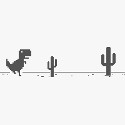
 Chapter 67, Arrogance, is a scalpel. Where earlier chapters burn, this one cuts cleanly. It dismantles a culturally protected illusion: that humility is always virtue and arrogance is always vice. The text does not defend arrogance as moral superiority; it reframes it as a structural necessity of psychological independence. The chapter opens with inevitability. Anyone with character—defined implicitly as internal consistency rather than social approval—will eventually be labeled arrogant. This is not because of excess ego, but because character disrupts comparison. A person who stands by an internal measure invalidates external ranking systems. That alone provokes hostility. The distinction between ego and arrogance is crucial. Ego seeks validation. It inflates itself by needing witnesses. The arrogance described here does the opposite: it compares in order to orient, not to dominate. It does not beg for acceptance. It simply refuses to concede inferiority by default. That refusal is what society finds threatening. The chapter identifies a subtle psychological trade-off. When arrogance is suppressed entirely, the individual begins to believe that others are inherently better. This belief feels virtuous on the surface, but it corrodes from within. It creates a quiet hierarchy where the self is always beneath, always suspect. The emotional cost of this posture is loneliness—not the solitude of independence, but the isolation of self-erasure. Importantly, the text does not ask whether arrogance should exist. That debate is framed as naïve. Arrogance already exists, embedded in perception and comparison. The real issue is awareness. Most people never notice it operating in themselves. Fewer still correct it—either by letting it metastasize into ego or by amputating it entirely in the name of false humility. Those who correct it achieve a rare balance: self-trust without exhibition, independence without evangelism. The chapter names such people “originals.” This is not a compliment; it is a classification. Originals are not better, but they are not copies. They do not outsource their sense of worth. Stylistically, the chapter’s brevity is deliberate. The argument is simple because the insight is simple. Complexity would only obscure it. The final line—“I still walk”—connects this chapter to the broader project. Walking is continuity without destination, movement without spectacle. The speaker does not claim arrival, enlightenment, or resolution. Only persistence. Chapter 67 functions as a quiet keystone. It explains why the voice of Ronie Dinosaur is misread as arrogance, and why that misreading is irrelevant. What matters is not how the walk is labeled, but that it continues—ungrounded, unapproved, and intact.
Ronie Dinosaur Chapter 67 – Arrogance
The one who has character
will, sooner or later,
be called arrogant.
It is not ego.
Arrogance compares,
but it does not seek acceptance.
Without it, a human begins to believe
that someone else is better.
The price of that belief
is loneliness.
So the question is not
whether arrogance should exist.
It already does.
Few notice it in time.
Fewer correct it.
Those who do
are not copies.
They are originals.
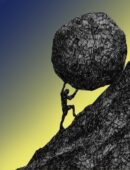
I still walk.






















[…] Ronie Dinosaur Chapter 67 – Arrogance […]