 ABOUT THE POEM:
 This chapter functions as a late-stage reckoning, not an origin story and not a plea. It sits in the book as a moment where the narrator stops negotiating with his own mythology. Earlier chapters establish survival, restraint, and a strict code of self-respect. Here, that code is put on trial. The poem reframes what was once interpreted as dignity—walking away after rejection, never asking twice, never begging—as a disguised form of fear. The shift is crucial. It converts a virtue into a defense mechanism and forces the narrator to confront the cost of that defense over time. The central tension is between silence and need. Silence once felt powerful, controlled, even superior. With age, it becomes evidence. The poem adopts the language of a legal verdict—proof, evidence, signed and sealed—to suggest that time itself has been the witness that was earlier dismissed as unnecessary. The absence of relationships, money, affirmation, and reflection is no longer abstract philosophy; it becomes circumstantial data. The speaker is no longer arguing with society or fate, but cross-examining himself. The repeated imagery of emptiness—the room, the wallet, the mirror—grounds the poem in material reality. These are not metaphors floating in abstraction; they are measurable outcomes. This gives the chapter its harsh authority. The narrator does not claim injustice. He claims consequence. Even fate is not romanticized. It is depicted as indifferent repetition: the same card dealt again and again, not out of cruelty, but because no other card was ever available. The poem also interrogates success and failure without moral consolation. Success is described as cumulative, social, and dependent on invisible advantages. Failure is solitary and undocumented. This framing strips failure of melodrama and replaces it with bureaucratic cruelty: no witnesses, no inheritance, no narrative protection. The speaker does not demand sympathy. He accepts the verdict while still naming its brutality. Importantly, the chapter does not resolve. There is no redemption arc, no motivational pivot. The final lines reject transcendence and refuse transformation. This is intentional. The chapter’s role is to exhaust illusion. By allowing the voice to reach complete resignation, the book clears the ground for whatever follows—whether silence, continuation, or a different kind of movement altogether. Placed as Chapter 61, after earlier confrontations with labor, routine, and endurance, this poem marks an internal collapse rather than an external one. Nothing dramatic happens in the world. The drama is epistemic: a belief system fails under long-term pressure. The apology at the end is not directed outward. It is the quiet admission of miscalculation. As context within the book, this chapter signals maturity rather than defeat. It shows a narrator capable of revising his own self-image without outsourcing blame. Whether the reader agrees with the conclusion is secondary. What matters is that the voice has stopped lying to itself.
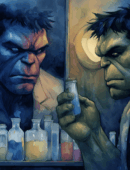
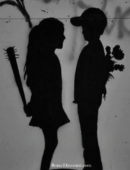
Ronie Dinosaur Chapter 61 – Beg for Love
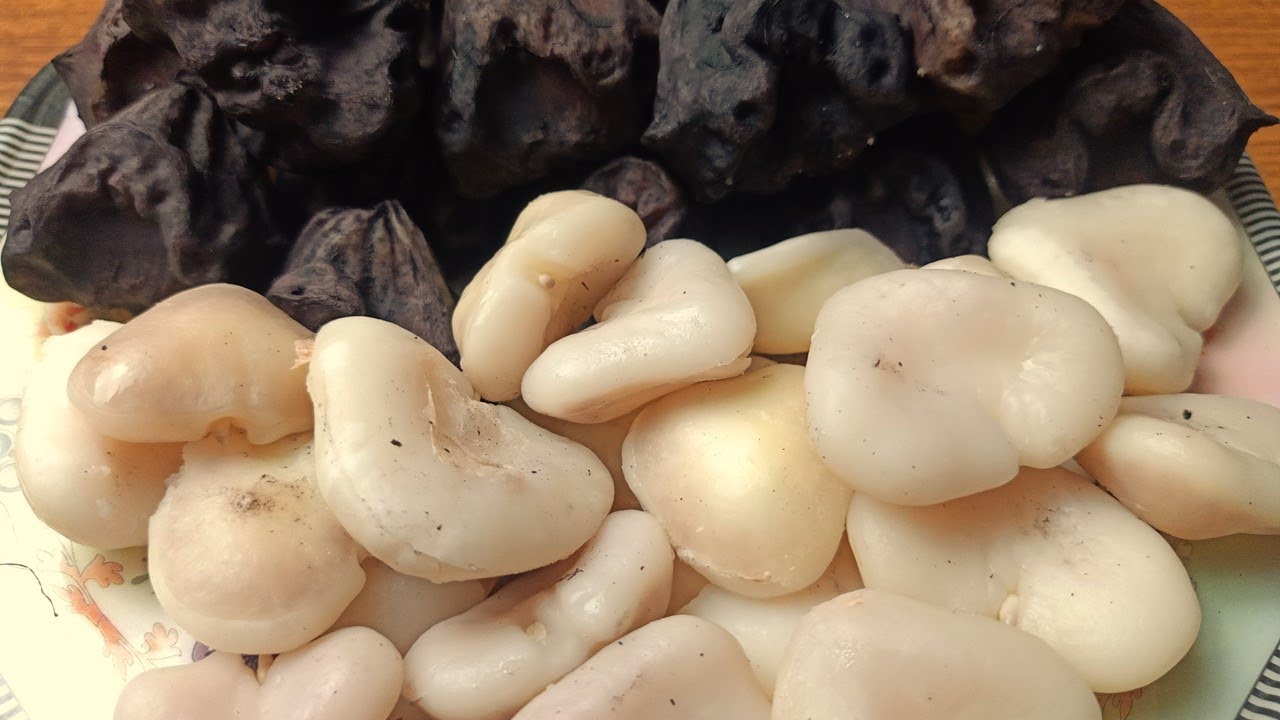
Like the shape of a peeled water chestnut,
that thing so precious,
so rare-
for which people bend and kneel,
join hands in silent prayer,
weep openly before the beloved,
pour out their hearts in torrents,
build monuments of longing
and call it love-
I turned away after one rejection,
walked into the night without a glance back,
never returned,
never asked twice,
never once begged
to be loved.
And that silence,
that refusal to plead-
was nothing but pure arrogance.
The realization that what once felt like self-respect
may have been fear wearing a tuxedo.
I kept the cage of my heart shut,
such a weirdo.
At the age of forty-two,
the proof was always here,
and the verdict is in-signed and sealed.
Evidence:
caught red-handed at 1:30 a.m.,
5 December 2025,
still pretending you are not incapable.
If you were not utterly unrequired,
would the room be this empty?
Would the wallet be this flat?
Would the mirror still refuse to smile back?
Look again.
The world moved on twenty-seven years ago
and never once checked the rear-view.
The truth has been lying naked and dead on the floor for decades.
Your soul is already ash, scattered in yesterday’s wind.
What fire do you imagine rising from these cold cinders?
What new outcome do you expect
from the patterns you already know?
What does the universe owe a man
it has never once favored
with a single smile meant only for him?
There is nothing left to discover,
nothing left to feel.
You are simply running toward death
in a world that never loved you-
not even a little bit.
Success has a thousand fathers,
a thousand small favors,
a thousand lucky accidents
that kiss the winners on the mouth.
Failure is a bastard with no papers.
My only crime was that I could not win.
That was crime enough.
I was never like other people.
The difference?
There is no difference at all-
the difference of not being any difference at all,
just fate dealing me
the only card it ever had.
Sorry. My bad.

















[…] Ronie Dinosaur Chapter 61 – Beg for Love […]